Sisters Project Peru’s 2026 Service Trip
This year, the Sisters Project Peru team returned to Huacahuasi with an important milestone ahead: turning years of community collaboration and planning into a real path toward construction of the community’s first healthcare clinic.
Over the course of our 2026 service trip, our volunteers and trip leaders met with clinic contractors and community leaders, continued our dental hygiene and anemia prevention programs, visited our growing network of women-led greenhouses, supported local artisans, and, most importantly, spent time listening to the Huacahuasi community.
It was a week filled with progress, learning, and reminders of why this work matters. Here’s a look at our 2026 journey.
Day 1: Beginning the Journey
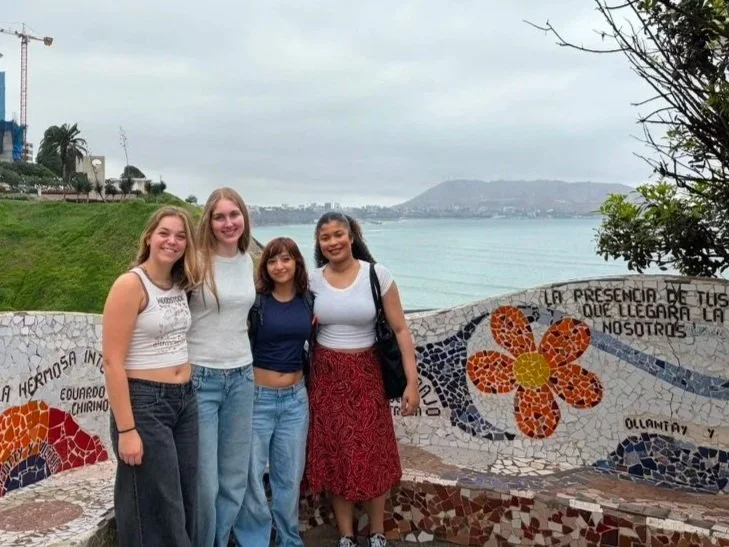
We began in Lima, where our volunteers met one another before traveling to Cusco. That evening, we reviewed our goals for the week, answered questions, and prepared for our journey into the Andes.
The next morning, we would begin one of the most important steps yet in the development of the Huacahuasi health clinic.
Day 2: A Major Step Forward for the Clinic
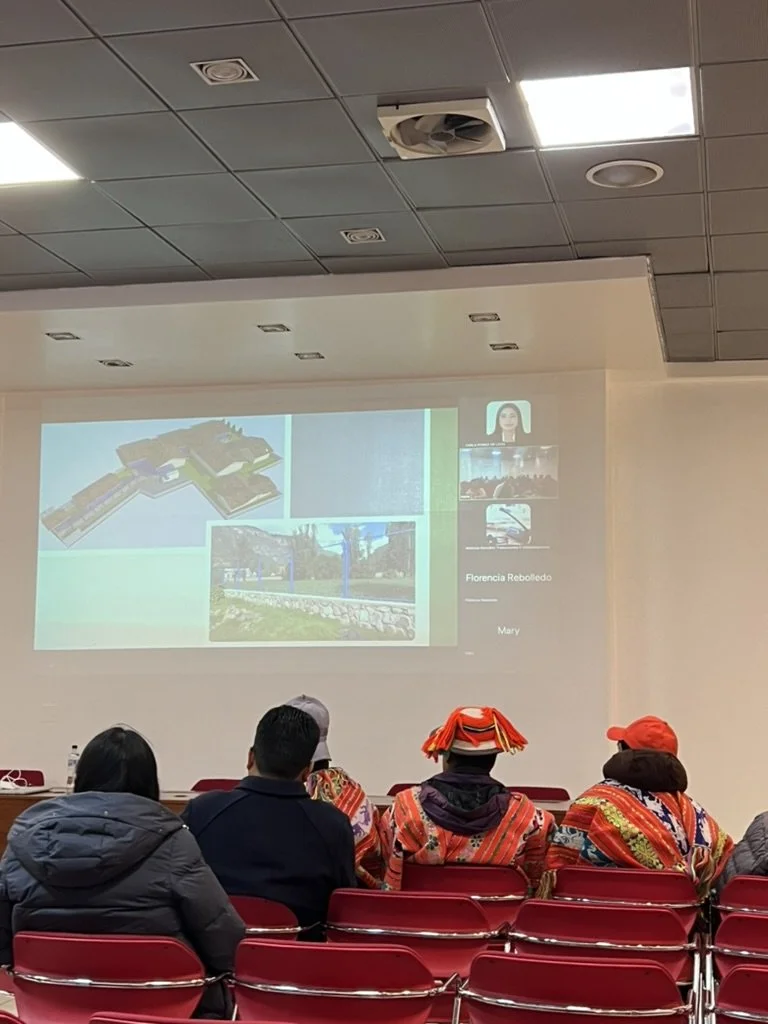
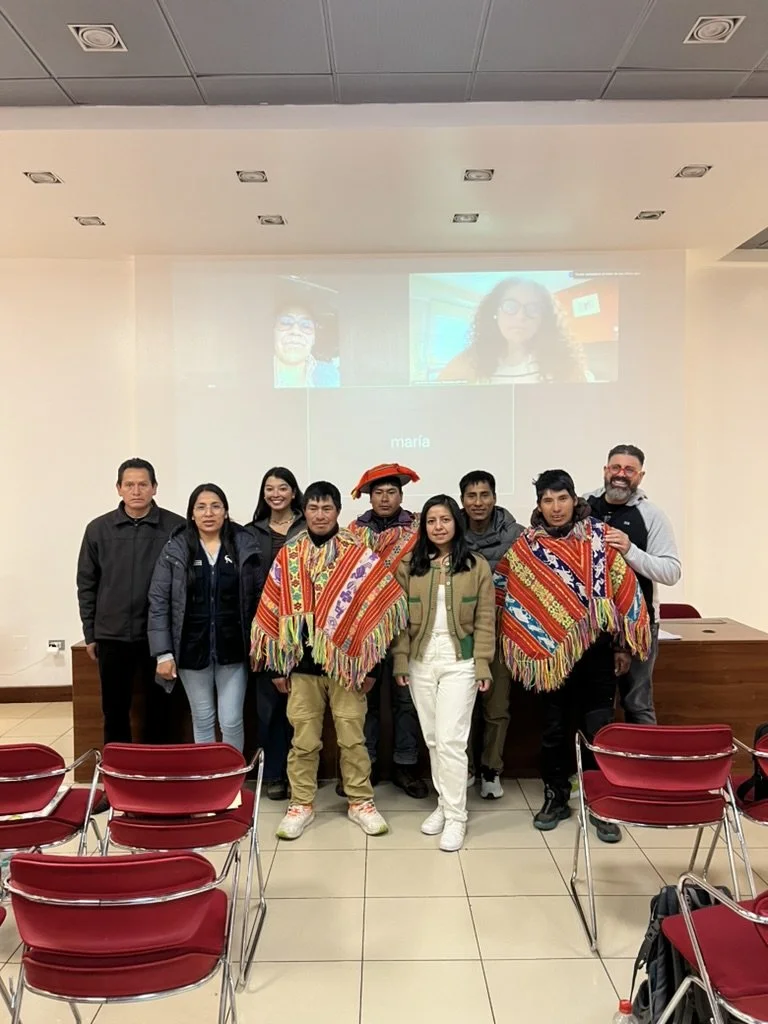
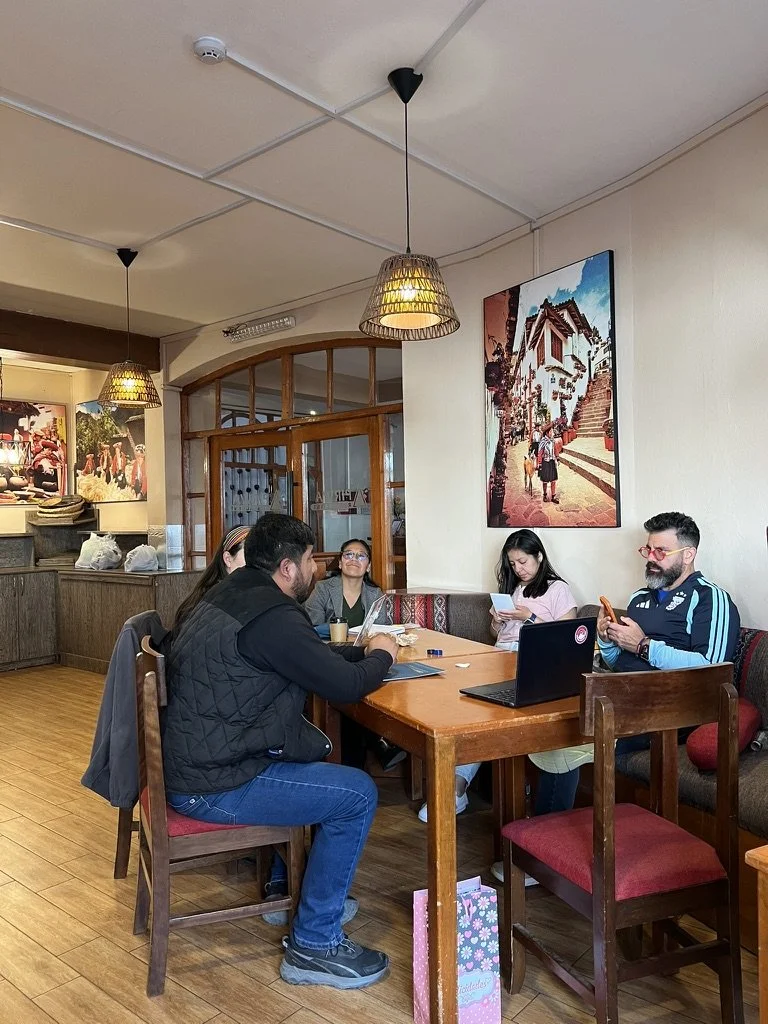
In Cusco, Sisters Project Peru leadership met with MINSA, Huacahuasi community leaders, FNE International, Yanapana Peru, and four potential clinic contractors to review proposals for the construction of the health clinic.
Having these partners together in one room was an incredibly meaningful moment for SPP. The clinic has been years in the making, and this meeting represented a transition from planning toward implementation.
Our next step is to carefully evaluate the contractor proposals and determine which is the best fit for Huacahuasi and the community’s vision for the clinic.
That afternoon, we also purchased toothbrushes and toothpaste for our annual dental hygiene education program. Each year, our volunteers raise enough money to provide the community with supplies intended to last throughout the year.
Day 3: Arriving in Huacahuasi
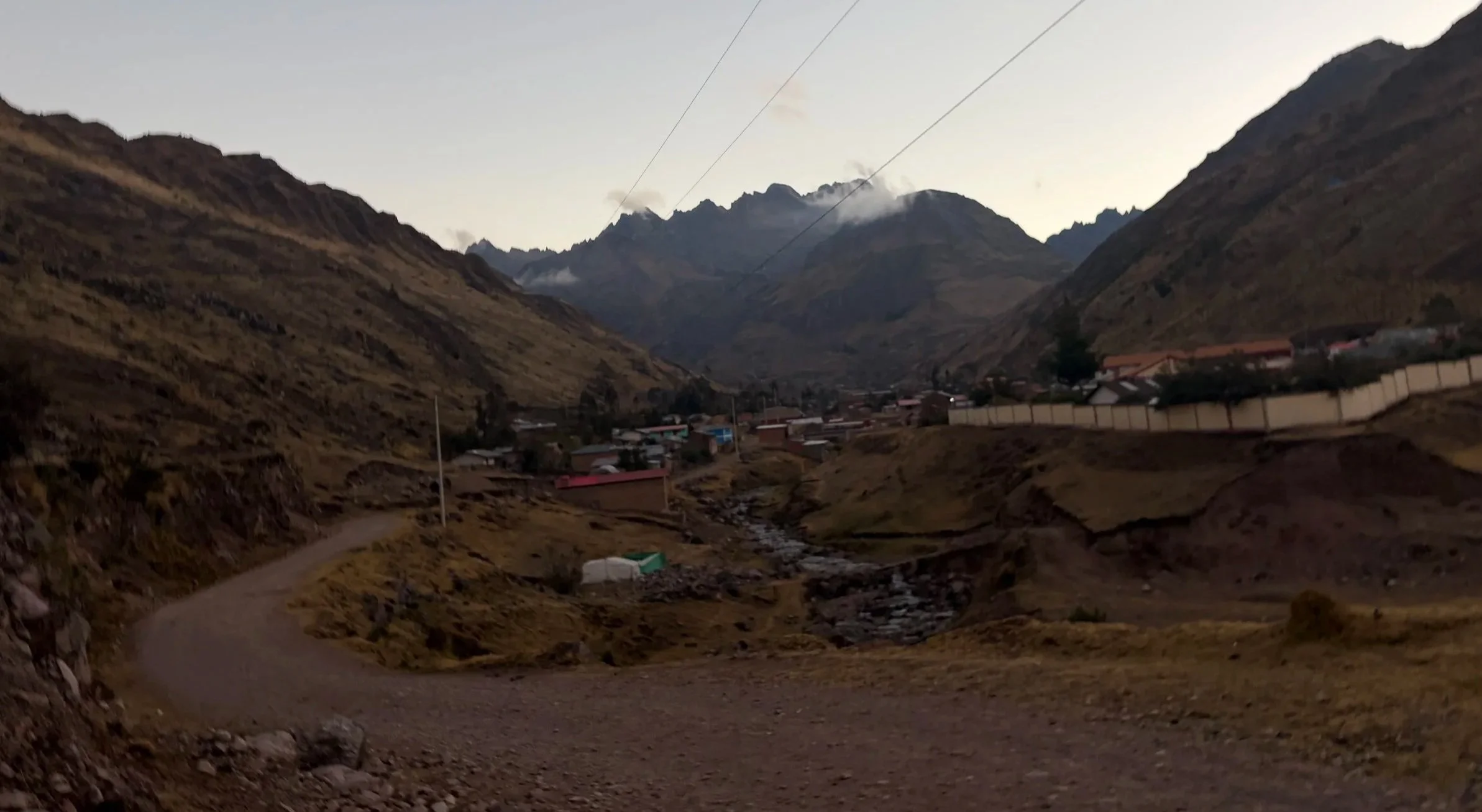
After traveling from Cusco into the mountains, we finally arrived in Huacahuasi.
For our volunteers, arriving in the community is always a powerful reminder of the landscape and distance that shape daily life here. Huacahuasi is surrounded by the Andes, and much of the community’s food system is agricultural.
One of our first stops was the Huacahuasi Trout Farm, which raises and sells trout locally. Alongside agriculture, the trout farm is one example of the community’s efforts to support local food access and livelihoods.
Day 4: Listening to the Community
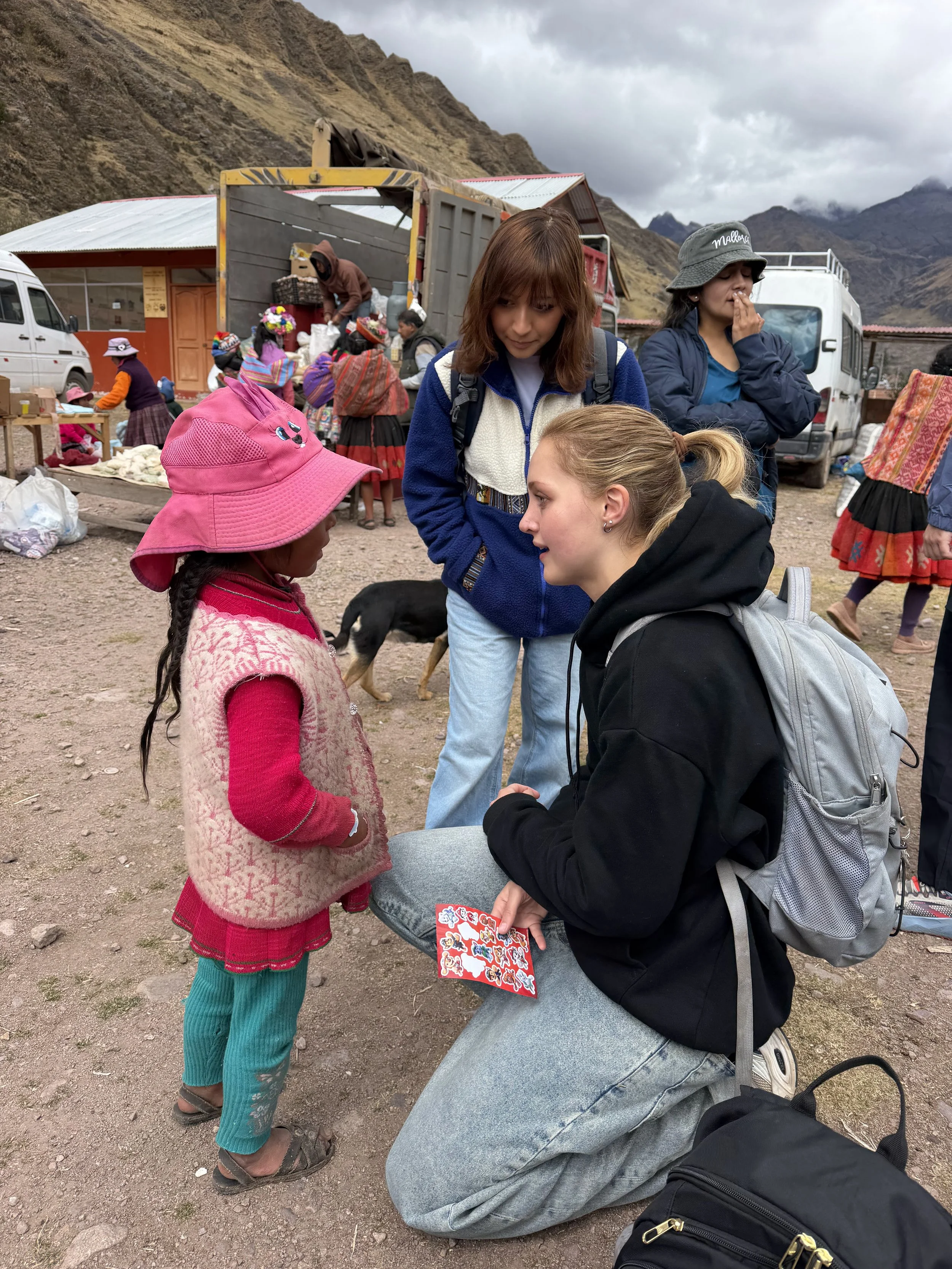
Our first full day in Huacahuasi began at the community market, where residents and neighboring communities gather to sell textiles, lentils, rice, produce, and everyday goods.
While there, we spoke with community leaders about the progress of the clinic. After hearing about the contractor proposals, some women shared that the project was beginning to feel more like a reality.
That sentiment stayed with us.
After years of planning, surveying, fundraising, and community collaboration, the clinic is becoming something the community can begin to envision not just as an idea, but as a physical part of Huacahuasi’s future.
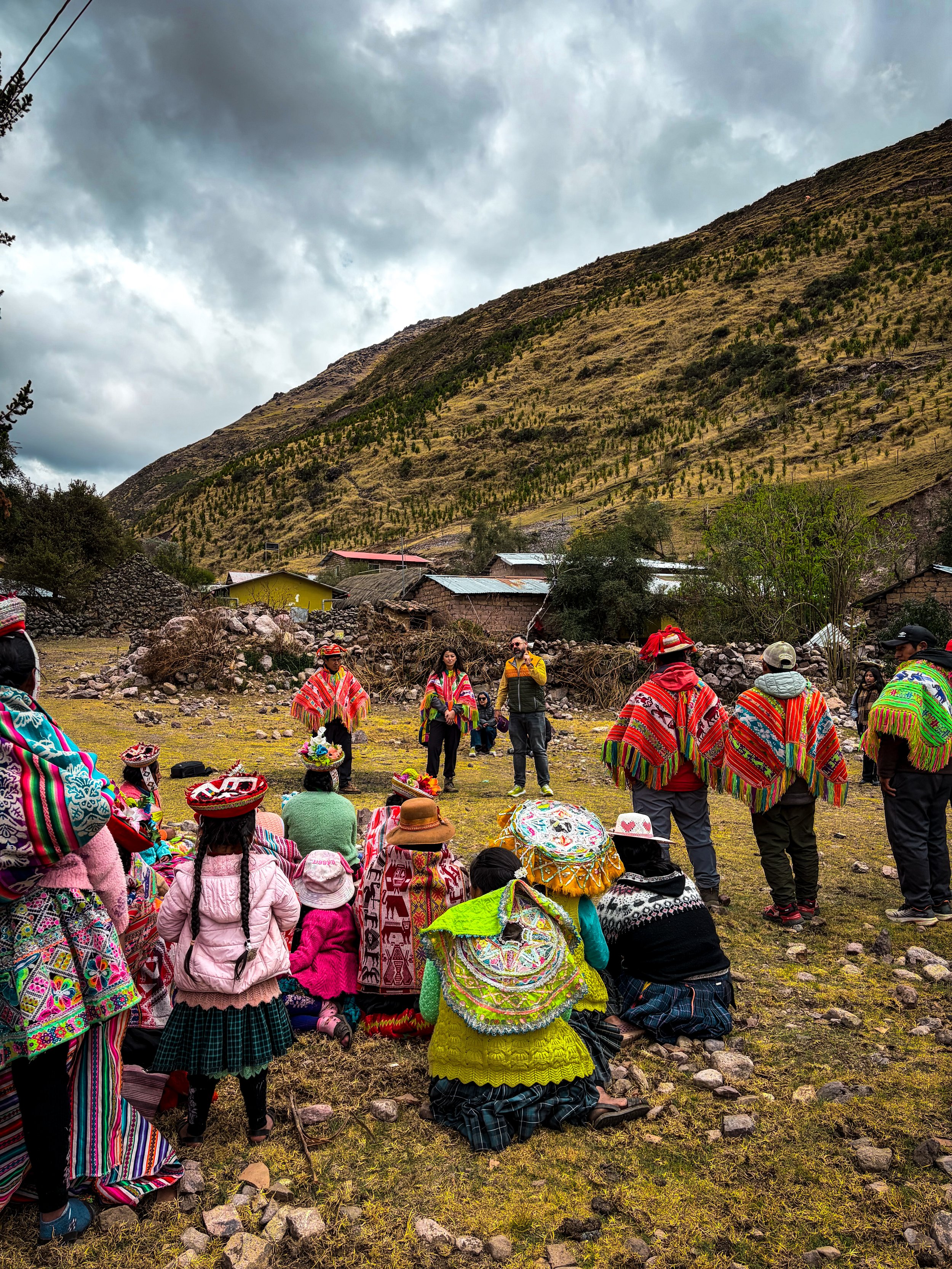
Later that day, we visited the clinic building site and held a community meeting. SPP shared updates from the contractor meetings, while residents had the opportunity to ask questions, voice concerns, and share their thoughts directly with our team.
This kind of conversation is central to our approach. The clinic is being developed with the community, not simply for the community, and hearing directly from Huacahuasi residents continues to shape our work.
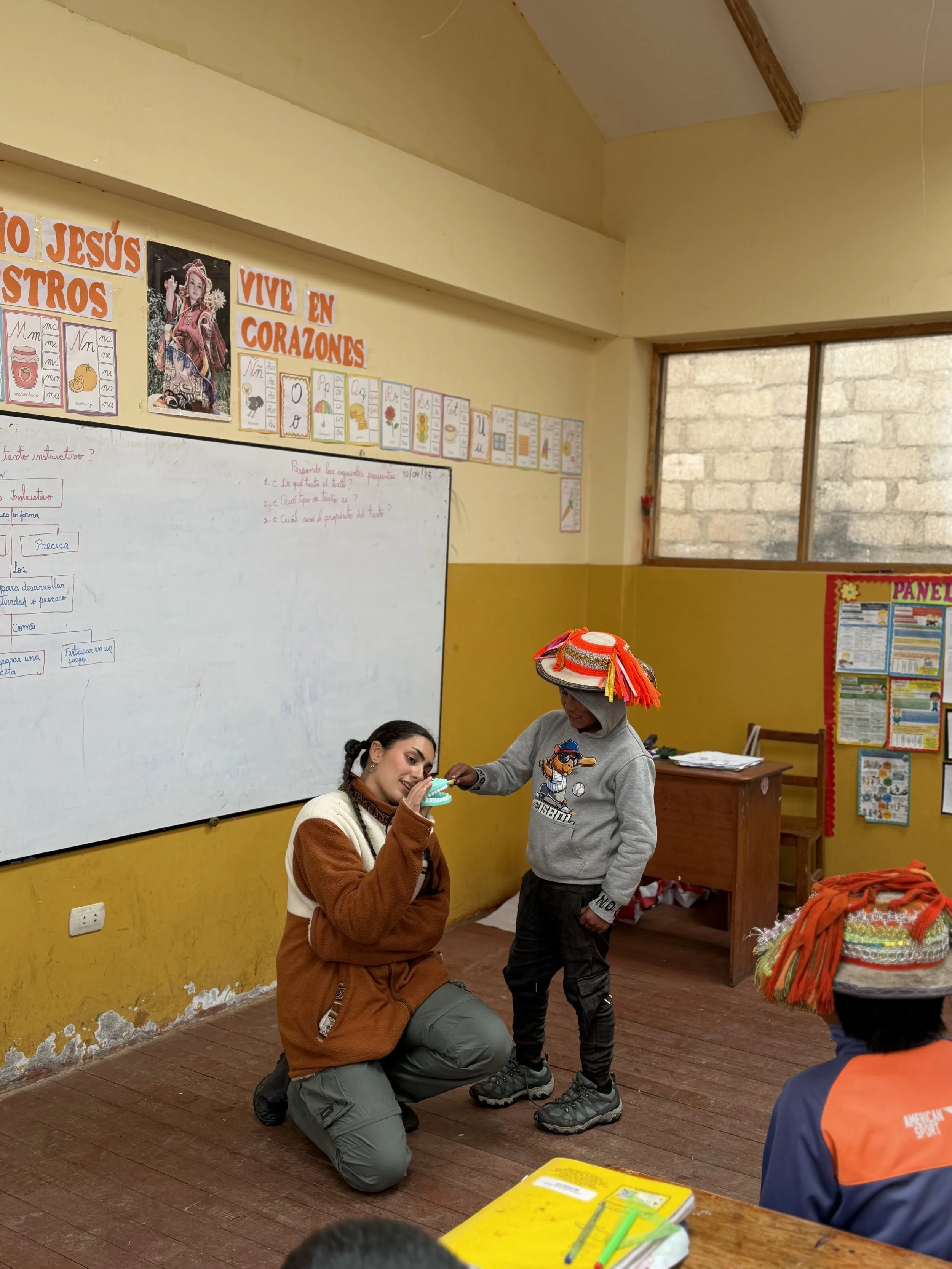
We also began our dental hygiene education program, demonstrating proper handwashing and brushing techniques before distributing toothbrushes and toothpaste.
That evening, we visited a local alpaca farm and learned about alpaca herding and textile production. We were also lucky enough to watch a weaving demonstration, with a few brave volunteers trying their hand at weaving themselves!
Day 5: Starting Prevention Early
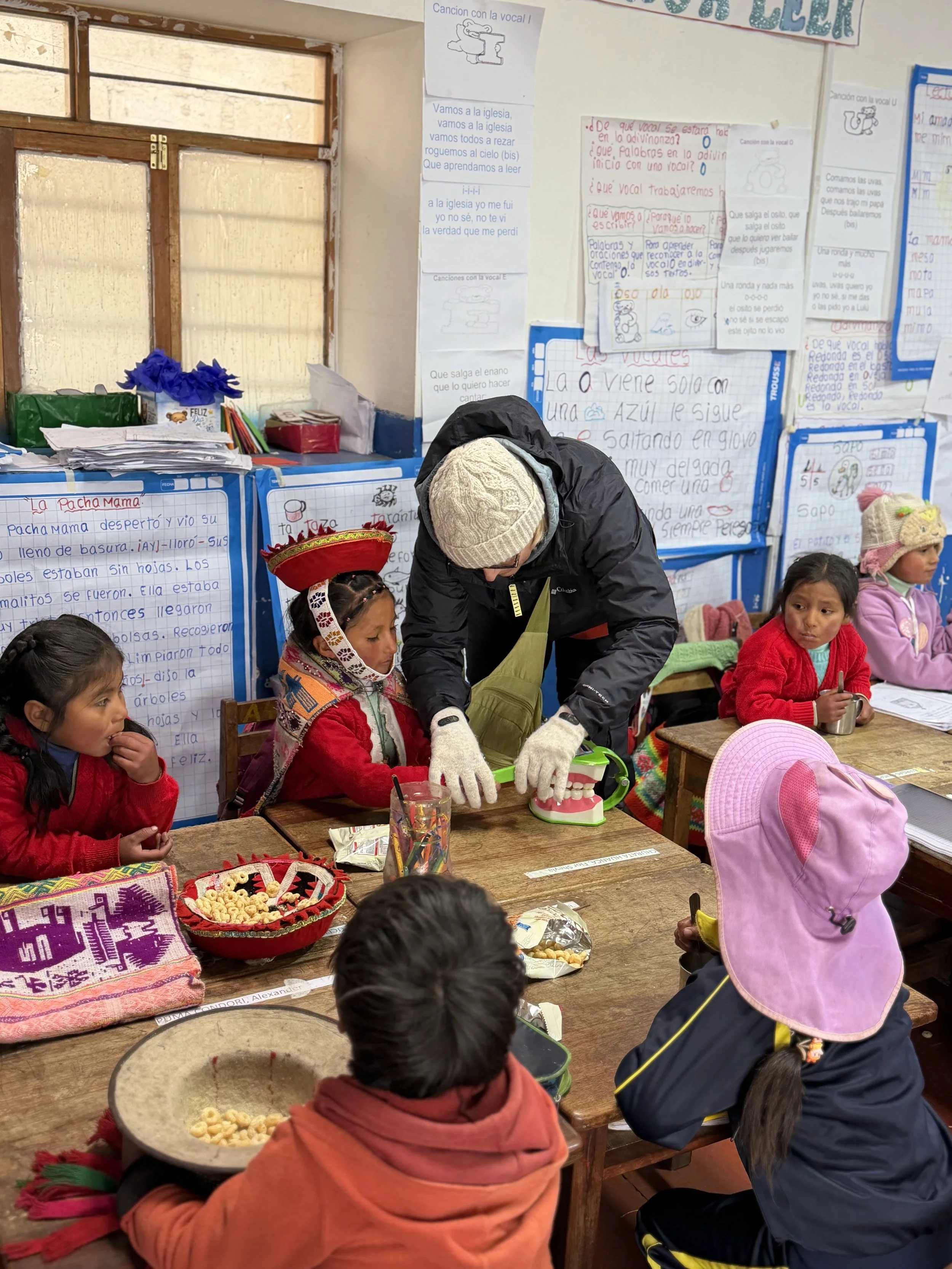
The next morning, we brought our dental hygiene education program into Huacahuasi’s schools.
After a rainy walk to the schools, our volunteers divided into groups and worked with students on proper brushing and handwashing techniques.
Preventative healthcare is an important part of SPP's work. While building a healthcare clinic will expand access to medical and dental services, prevention can help address health challenges before they become more serious.
For children especially, learning healthy habits early can help prevent dental damage and decay rather than trying to treat problems after they have already developed.
And one day, we hope the clinic will make professional dental care accessible to Huacahuasi residents who currently face significant barriers to receiving it.
Day 6: Growing Food, Income, and Women’s Leadership
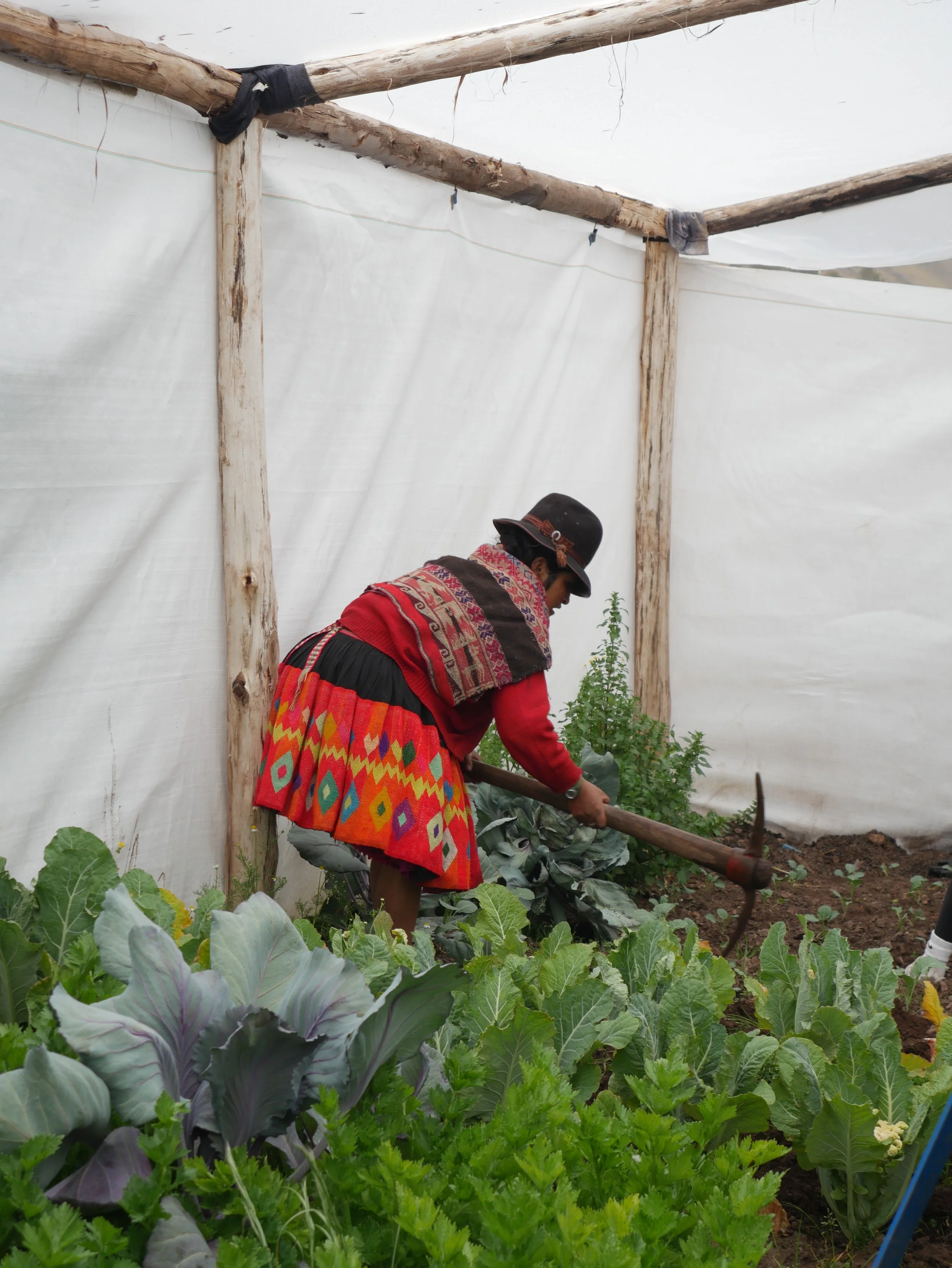
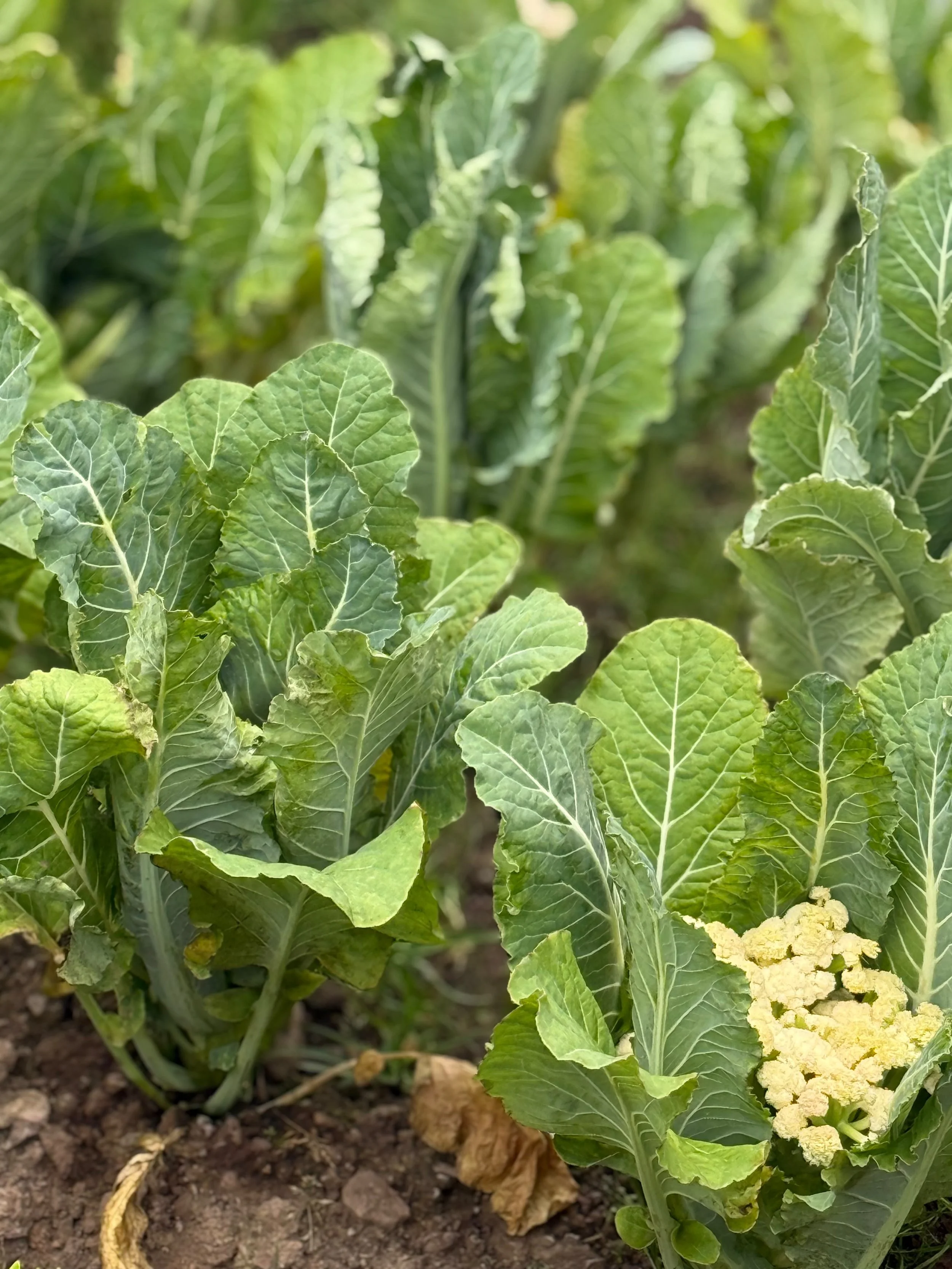
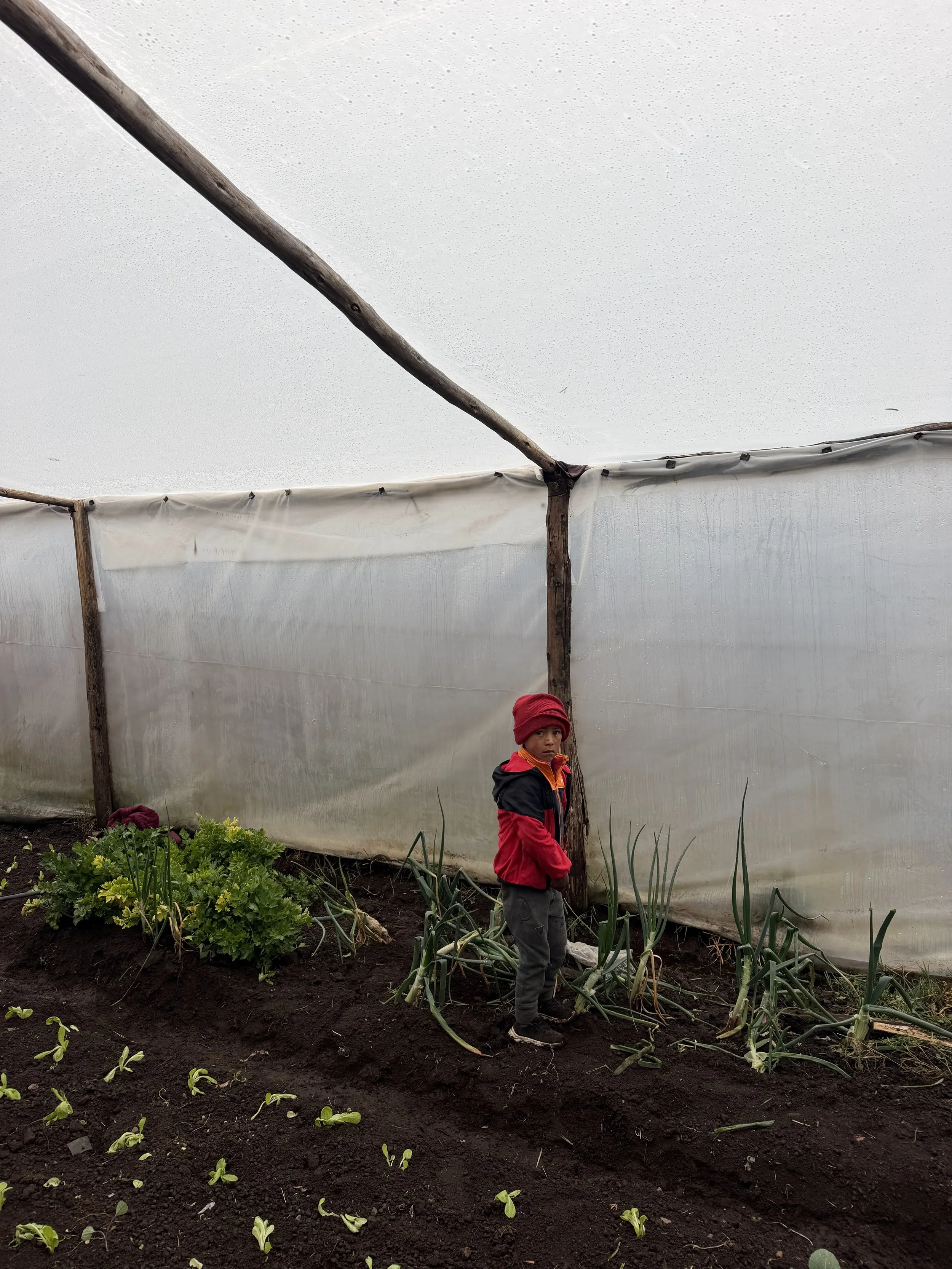
One of the most exciting developments we saw this year was the growth of our greenhouse program.
With John Rafael, our greenhouse coordinator and a member of Andean community partners, we visited five of the community’s six greenhouses. Last year, there were only three.
The greenhouses are women-led and serve two purposes: improving access to nutrient-rich foods while creating opportunities for women to generate income and strengthen their economic independence.
We also spoke with several of the women who manage the greenhouses about their experiences.
One woman shared that she sells half of what she grows and saves the other half for her family. She told us that after introducing more greens into her family’s diet, particularly for her son with special needs, she saw an improvement in his hemoglobin.
Her experience captures the goal of the greenhouse program: food can be both a source of nutrition and an opportunity for economic empowerment.
That afternoon, we attended the long-awaited Women’s Artisan Market, where women from Huacahuasi gathered to sell their textiles.
SPP purchased new textiles to restock our marketplace, which will be launching with new items soon. When you purchase from our marketplace, you are directly supporting the artisans who create these pieces while also helping Sisters Project Peru move closer to our clinic fundraising goal.
Every purchase helps carry this work forward.
Day 7: Walking the Road to Healthcare
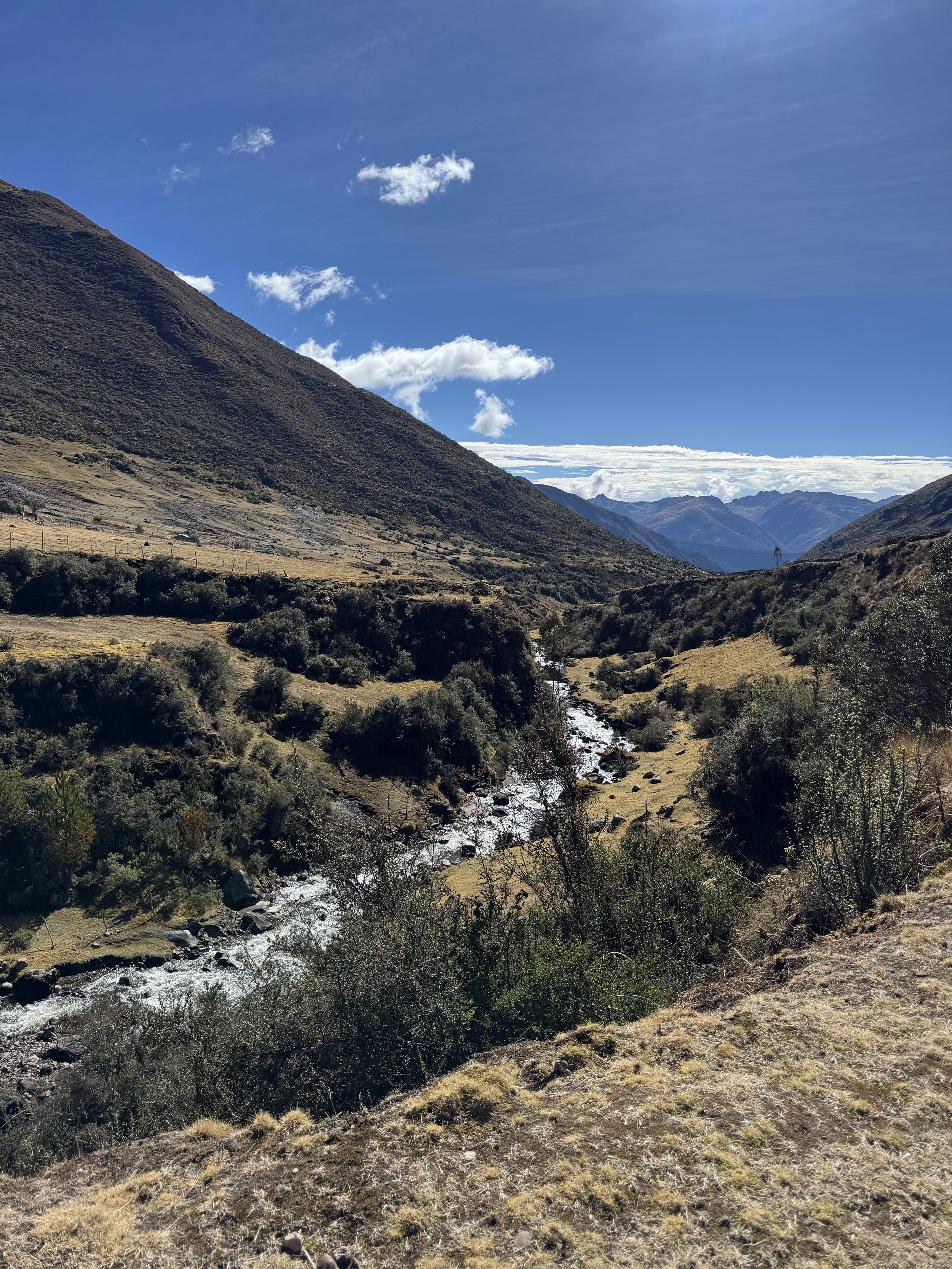
Perhaps the most impactful day for our volunteers was our annual hike from Huacahuasi to Lares.
The route takes approximately three hours and follows steep, rocky, and slippery terrain. For our team, the hike was physically demanding. But the purpose of the hike is not simply to challenge our volunteers.
It is to understand, as much as we can, what accessing healthcare can look like for someone living in Huacahuasi.
For someone who is pregnant, elderly, injured, sick, or caring for a young child, this journey can be an enormous barrier to receiving care.
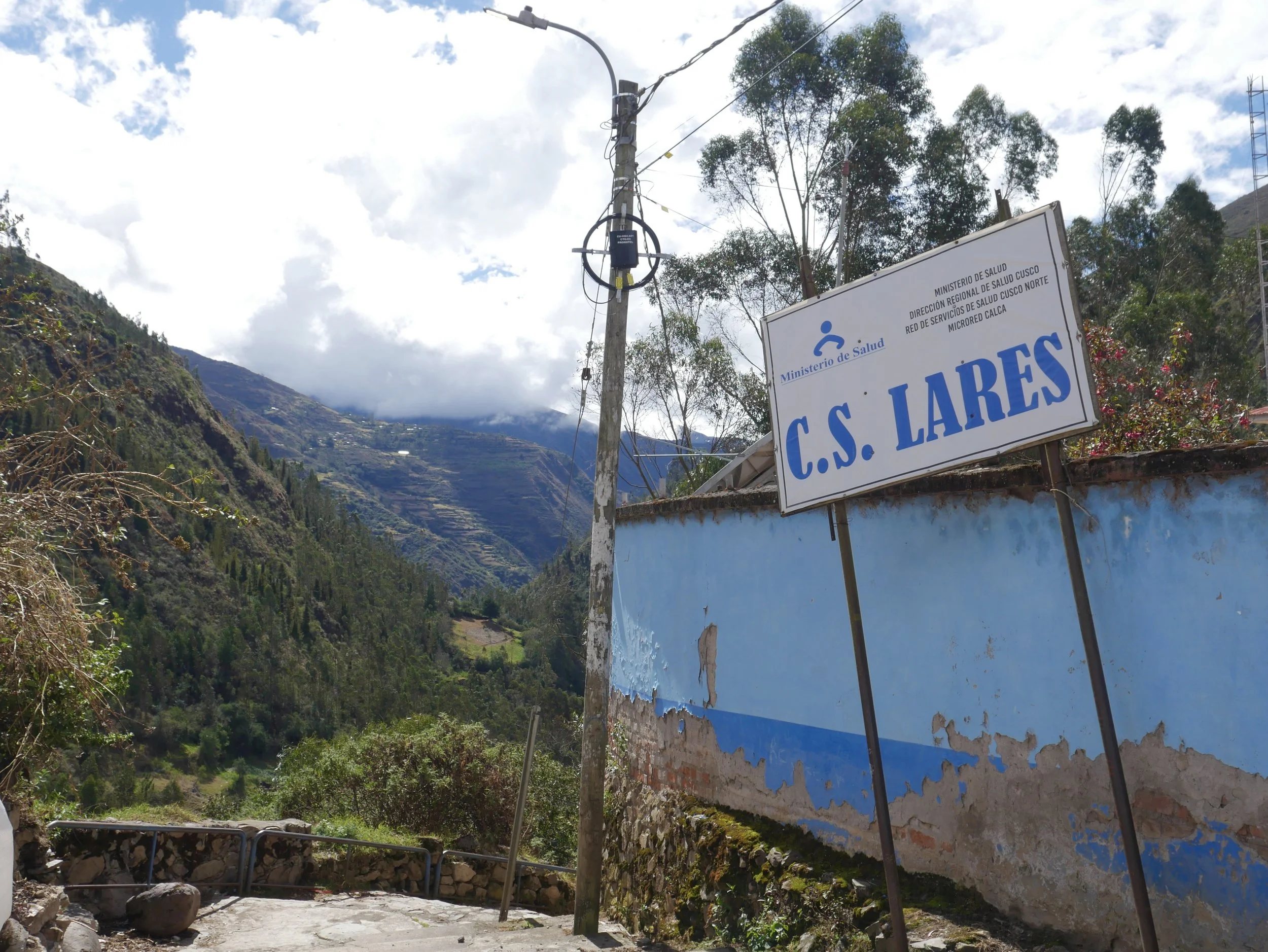
When we arrived in Lares, we visited the local healthcare clinic and spoke with staff about the services they provide and the communities they serve. Huacahuasi is one of the farthest communities from the clinic, adding another layer of difficulty to an already challenging journey.
This is why the clinic matters.
Healthcare access is not only about whether a clinic exists. It is also about whether people can realistically reach it when they need care.
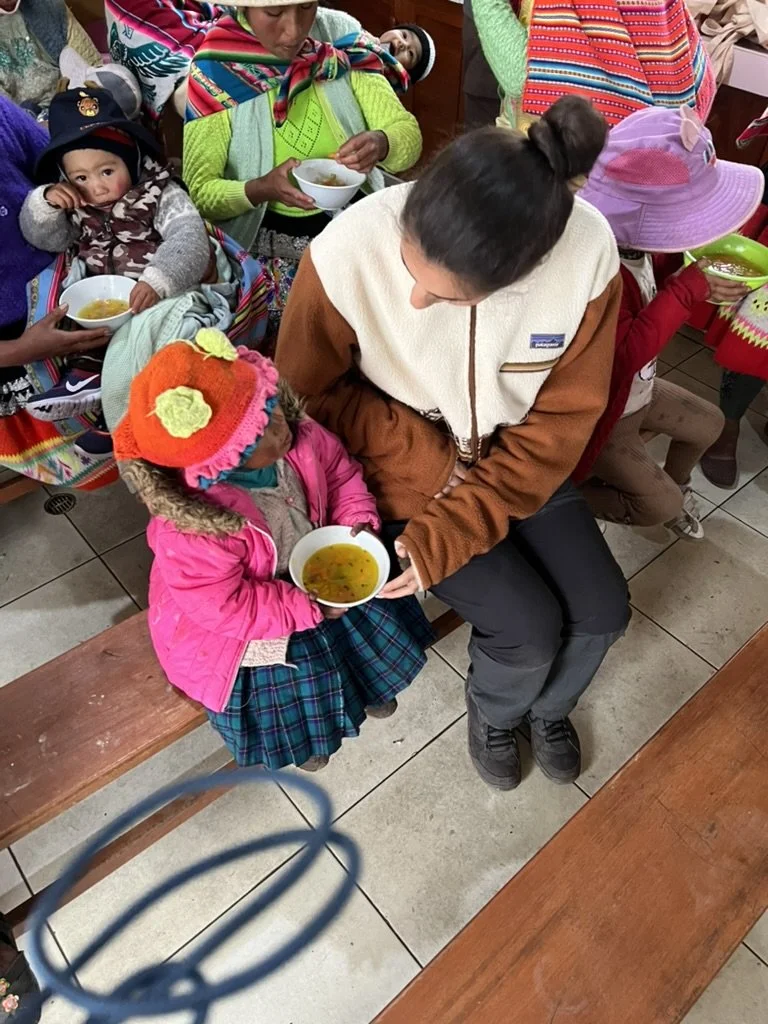
That afternoon, we returned to Huacahuasi for a cooking class with women from the community focused on the Lucky Iron Fish.
The Lucky Iron Fish can be added to soups and other liquid-based meals to help infuse iron into food. Because iron deficiency and anemia are significant concerns in Huacahuasi, particularly among children, the program provides another tool for families to incorporate more iron into their diets.
Together, our clinic project and preventative health programs are working toward the same goal: making healthcare more accessible while helping families build healthier lives now.
Days 8–9: Looking Ahead
After our time in Huacahuasi came to an end, we said our goodbyes and began the journey back to Cusco.
While some volunteers traveled to Machu Picchu, the Sisters Project Peru leadership team met with our partners to reflect on the trip and plan for the year ahead.
And there is a lot ahead.
In the coming year, we plan to expand our nutrition programming alongside health professionals and continue developing our greenhouse initiative. We are also working toward having experienced greenhouse leaders become teachers and mentors for women entering the program in the future.
Alongside these efforts, we will continue our dental hygiene education, Lucky Iron Fish initiative, women’s empowerment programs, and, of course, our work toward building the Huacahuasi health clinic.
The Work Continues
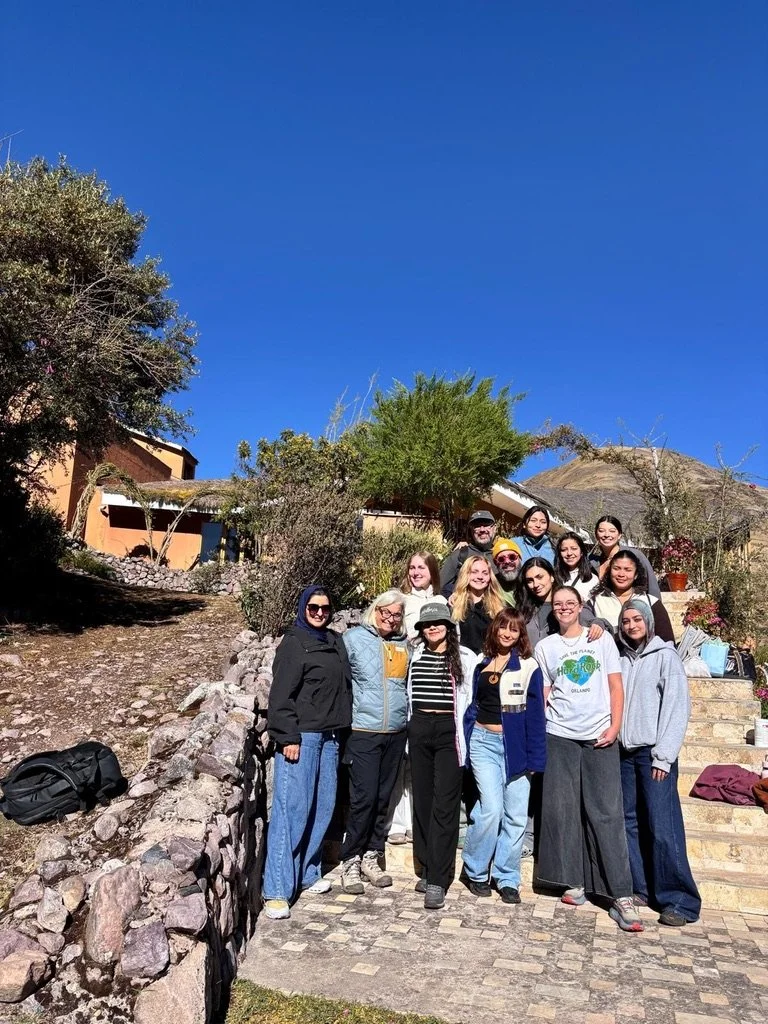
The 2026 service trip was a milestone for Sisters Project Peru.
We began the clinic contracting process. We brought preventative dental and anemia education to the community. We saw our greenhouse program grow from three greenhouses to six. We supported local women artisans. And we continued building the relationships that make this work possible.
But returning home does not mean the work stops.
Now, we need your help to turn this momentum into lasting change.
You can support Sisters Project Peru by:
Donating toward the construction of the Huacahuasi health clinic
Shopping our marketplace to support women artisans and our clinic project
Volunteering with our team
Starting or joining a student chapter
Following along with our work and sharing our mission with your community
What’s Next?
This fall, stay tuned for:
New opportunities to get involved
New photo exhibitions
New student chapters
New marketplace items
Updates on the Huacahuasi health clinic
The clinic has been years in the making. Now, we are one step closer to making it a reality.
Follow Sisters Project Peru on Instagram and Facebook or join our mailing list to stay up to date on what comes next.